Hey folks!
Here you go, it's a Southern Africa bonanza!
Here's the write-up I promised you. This show is longer than usual, but that's because of the "hidden track" at the end. Don't miss that one!
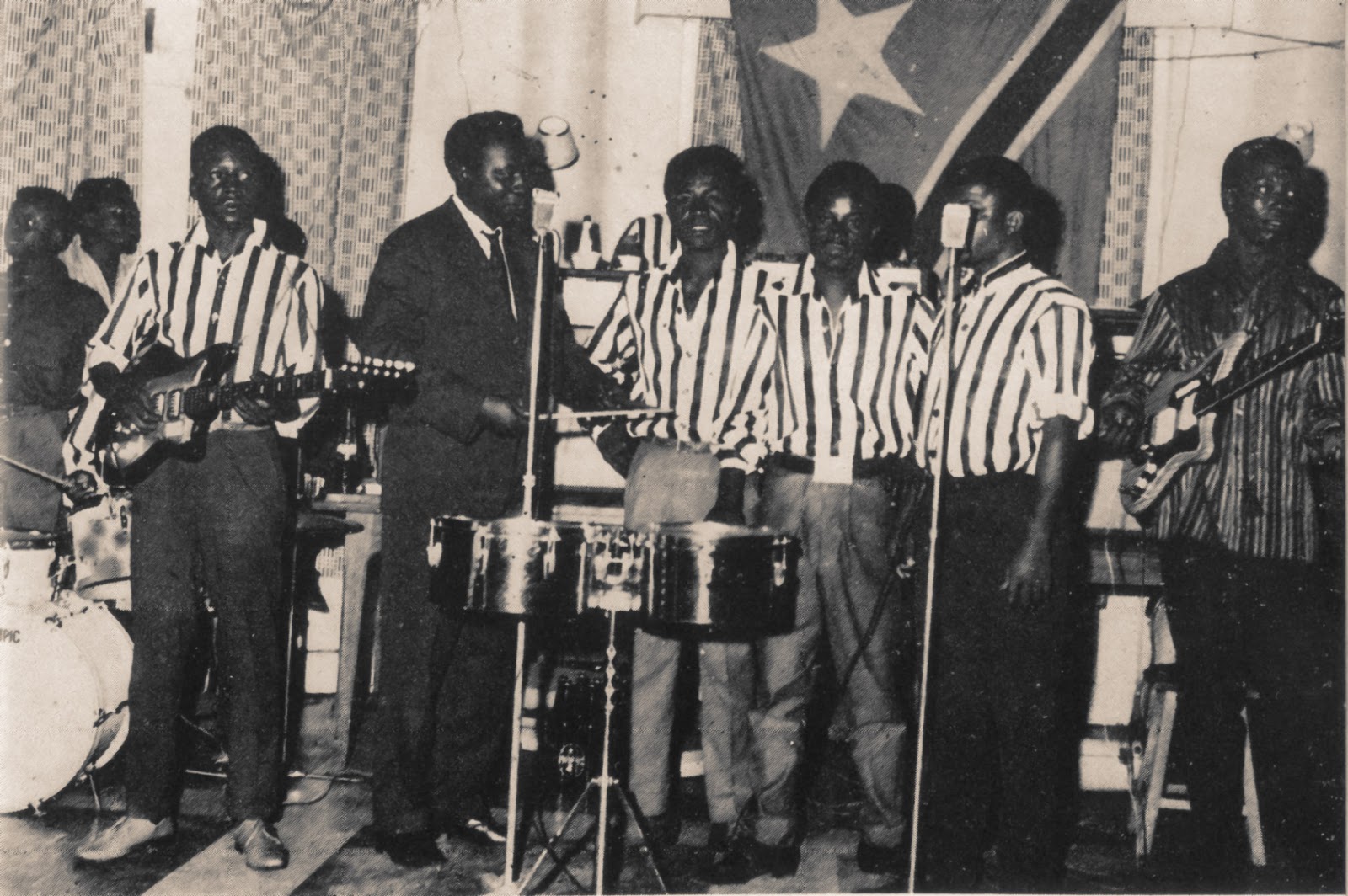
"African Jazz Mokili Mobimba" was the theme song of The African Beat, a great show that was on KCRW for many years. I couldn't remember how to spell the title, so at first, I found a lot of information about a Congolese cryptid, a modern-day dinosaur called the "Mokele-Mbembe".

George Sibanda was a pretty big star for a number of years in Sub-Saharan Africa, but not much is really known about him. There are no known photos, and even the dates of his recordings are hard to nail down. ("Between 48 and 52". I split the difference and guessed at 1950.) His song, "Guabi Guabi" was also the theme to a show on KCRW, a gardening program. I always wanted to sing along, but the only word I could understand was "banana".

Billy West recorded a number of Trump quotes in the voice of Zapp Branigan, with Maurice LaMarche as his first officer Kif. The SubGenius Hour Of Slack podcast used a bunch of them, and I have spread them all through this week's show. Underneath them is a flute solo by an unknown Mahafaly musician from Madagascar. It was taken from a 78, included on the Grammy-winning compilation Opika Pende: Africa at 78 RPM (Recordings from 1909-1960s). It was actually put together by a guy I know, Jonathan Ward. Neat, huh?


Dorothy Masuka was born in Zimbabwe but moved to South Africa as a child. She has been a professional singer since she was 1954 and still performs today.

Jean Bosco Mwenda, aka Mwenda wa Bayeke, was a pioneer of the Congolese fingerstyle guitar. He was his popularity extended to East Africa, and he had a radio show in Nairobi for a number of years, influencing many Kenyan musicians. I'll probably cover East Africa on another show...

The music under the first Jordan, Jesse, Go! clip is by a guy from the Seychelles called Thomas Alexie (or maybe Alexis?). I don't know when it was recorded, but I'm gonna guess the late 70s based on the instrumentation. I just used the intro, what sounds like a drum machine and an organ.

Bonga was born José Adelino Barceló de Carvalho in Angola, which was a colony of Portugal at that time. He used his status as a star athlete to aid independence fighters, which eventually got him exiled. He recorded his first album Angola 72 in Rotterdam, and its "seditious lyrics" resulted in a warrant for his arrest. He returned home in 1975 after the events of the "Carnation Revolution" resulted in Angolan independence.

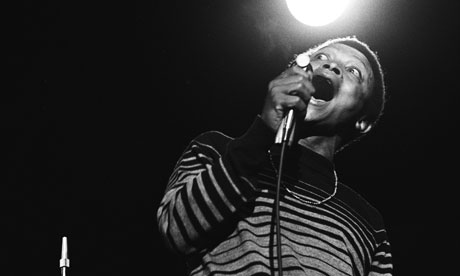
South African trumpeter Hugh Masekela had a number one hit with Grazing In The Grass in 1968.
The second Jordan, Jesse, GO! clip has music underneath it by Amampondo, a percussion ensemble from Langa, Cape Town, South Africa. I slowed it down slightly. They use marimbas tuned to both Xhosa and Afro-diatonic scales.

Mahlathini Nezintombi Zomgqashiyo with Makgona Tshole Band, aka Malathini and the Mahotella Queens, were a South African mbaqanga supergroup. They had success in the 60s and 70s, but appearances on albums such as the compilation The Indestructible Beat of Soweto (where this recording appeared) led them to newfound international success. I saw them perform in Palos Verdes at the Norris Theater in 1992. They brought down the house.


Ladysmith Black Mambazo also appeared on that compilation, which led to their guest appearances on Paul Simon's "Graceland" and even Sesame Street!

Mbube (The Lion), by Solomon Linda, was written in 1939. Also known as "The Lion Sleeps Tonight", or "Wimoweh", "Wimba Way" or "Awimbawe", it was assumed by many westerners to be a traditional folk song. This is why Linda was not paid the millions in royalties he was owed. A lawsuit against the Walt Disney Company, who used his song in The Lion King, eventually got his estate a portion of the money they were owed. This version is by "Mama Africa", Miriam Makeba, from her 1960 album..


If you keep listening past the "regular" end of the show, there is a secret track. Performed by Orchestre Folkorique Tout Puissant Likembé Konono Nº1 de Mingiedi, aka "Konono Nº1", this half-hour jam was usually played by them in the mornings to give their singer (who had been singing all night long) a chance to rest. Konono Nº1 plays homemade electrified likembe, and
"percussion instruments that are made out of items salvaged from a junkyard. The group's amplification equipment is equally rudimentary, including a microphone carved out of wood fitted with a magnet from an automobile alternator and a gigantic horn-shaped [speaker]" - wikipedia.com/Konono_Nº1


They're fantastic, and I hope you love them.
Enjoy!
- Rev. Dr. Dr. Phill

African Jazz Mokili Mobimba - Le Grand Kallé et l'African Jazz (1961)

Guabi Guabi - George Sibanda (1950)
Billy West as Zapp Brannigan as Trump, with Maurice LaMarche as Kif Kroker, taken from The SubGenius Hour of Slack #1589 - The Show That Refused to Die Again 9/26/2016
Flute solo (Ampanihy, Madagascar) (edit) - Unknown Mahafaly (2011)

Hapo Zamani - Dorothy Masuka (1963)
Billy West as Zapp Brannigan as Trump, with Maurice LaMarche as Kif Kroker, taken from The SubGenius Hour of Slack #1589 - The Show That Refused to Die Again 9/26/2016

Flute solo (Ampanihy, Madagascar) (edit) - Unknown Mahafaly (2011)

Masanga (Katanga, Congo) - Jean Bosco Mwenda (1952)
Billy West as Zapp Brannigan as Trump, with Maurice LaMarche as Kif Kroker, taken from The SubGenius Hour of Slack #1589 - The Show That Refused to Die Again 9/26/2016
Jordan, Jesse GO! Ep. 455: Live at Now Hear This Festival with the Doughboys 11/21/2016)
Mon Dorina (edit) - Thomas Alexie (late 70s- early 80s?)
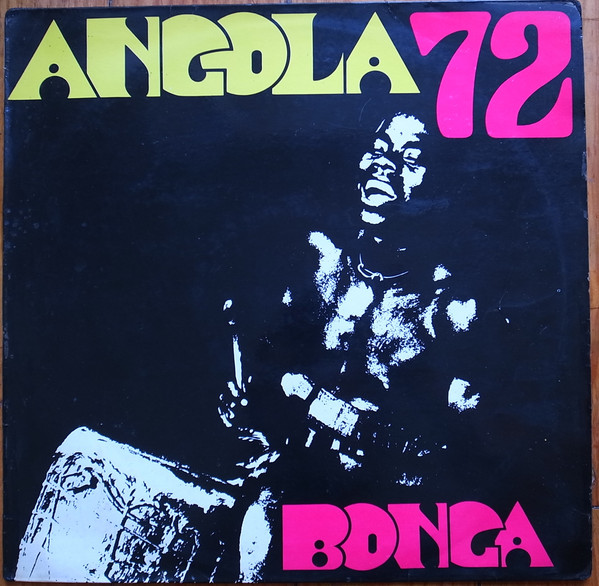
Mona Ki Ngi Xica - Bonga (1972)
Billy West as Zapp Brannigan as Trump, with Maurice LaMarche as Kif Kroker, taken from The SubGenius Hour of Slack #1589 - The Show That Refused to Die Again 9/26/2016
Flute solo (Ampanihy, Madagascar) (edit) - Unknown Mahafaly (2011)

Grazing In The Grass - Hugh Masekela (1968)

Jordan, Jesse GO! Ep. 454: Big Boy with Ian Karmel 11/14/2016
Billy West as Zapp Brannigan as Trump, with Maurice LaMarche as Kif Kroker, taken from The SubGenius Hour of Slack #1589 - The Show That Refused to Die Again 9/26/2016
9 15 (edit) - Amampondo (2000)
Dali Ngiyakuthanda Bati Ha-Ha-Ha - George Sibanda (1952)


Ngicabange Ngaqeda - Mahlathini Nezintombi Zomgqashiyo with Makgona Tshole Band (1983)
Billy West as Zapp Brannigan as Trump, with Maurice LaMarche as Kif Kroker, taken from The SubGenius Hour of Slack #1589 - The Show That Refused to Die Again 9/26/2016
Flute solo (Ampanihy, Madagascar) (edit) - Unknown Mahafaly (2011)

Nansi Imali - Ladysmith Black Mambazo (1981)
Billy West as Zapp Brannigan as Trump, with Maurice LaMarche as Kif Kroker, taken from The SubGenius Hour of Slack #1589 - The Show That Refused to Die Again 9/26/2016
Flute solo (Ampanihy, Madagascar) (edit) - Unknown Mahafaly (2011)

Mbube - Miriam Makeba (1960)


Mungua-Mungua - Orchestre Folkorique Tout Puissant Likembé Konono Nº1 de Mingiedi (1978)


